By XAMXAM
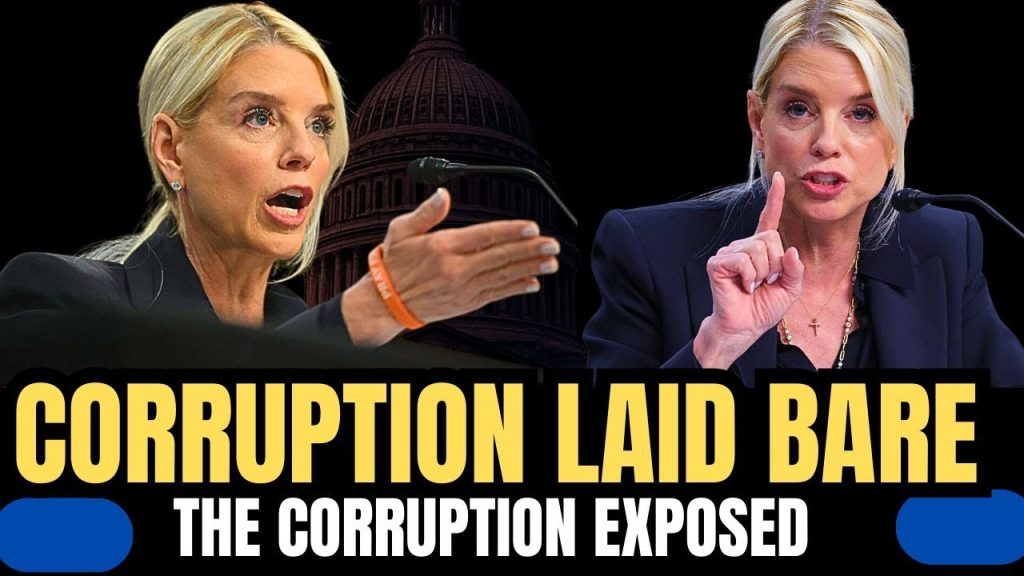
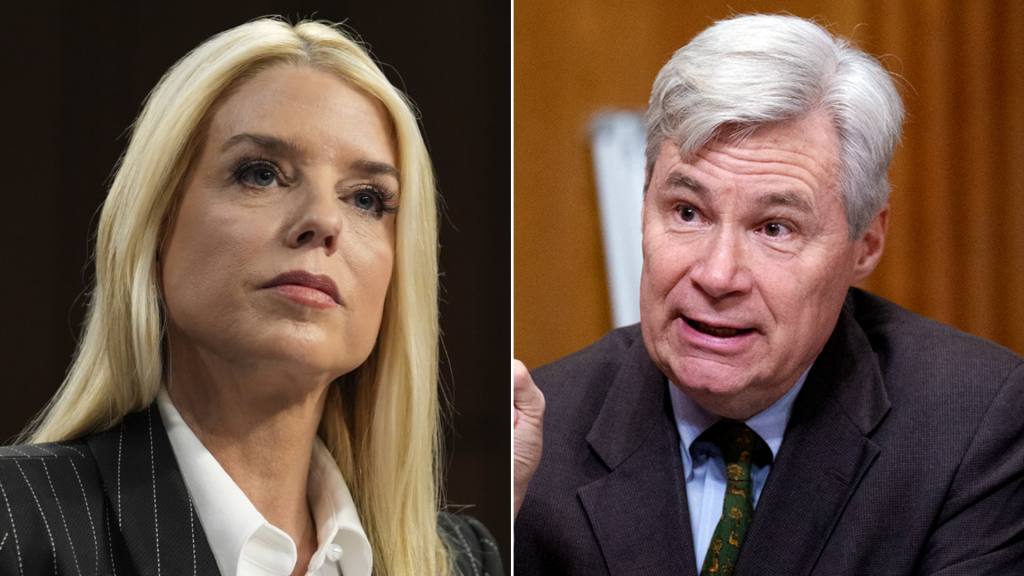
WASHINGTON — A Senate oversight hearing grew increasingly tense as Senator Sheldon Whitehouse confronted Attorney General Pam Bondi with a series of narrow, document-based questions about unresolved Department of Justice matters — and received almost no direct answers.
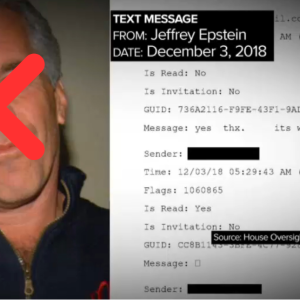
Whitehouse’s line of questioning focused on three core issues: whether an internal DOJ misconduct review was opened or concluded, whether grand jury testimony referenced by FBI Director Kash Patel had been sealed or later released by the department, and whether DOJ leadership reviewed hundreds of Treasury suspicious activity reports connected to Jeffrey Epstein’s financial accounts.
Rather than addressing the substance, Bondi repeatedly declined to respond, citing personnel restrictions, pending litigation, or referring the senator to other officials. When pressed on whether DOJ had reviewed Epstein-related financial reports — a routine step in financial crime investigations — Bondi shifted the exchange into a political counterattack, questioning Whitehouse’s past campaign donations and redirecting blame to prior administrations.
The refusal to clarify even basic facts appeared to frustrate the committee. Whitehouse emphasized that he was not making accusations but asking whether specific actions occurred: Was an investigation opened? Was testimony sealed? Were financial reports examined? Each question was met with deflection rather than confirmation or denial.
The exchange became particularly heated when Whitehouse asked whether DOJ or the FBI had uncovered photographs allegedly shown by Epstein depicting Donald Trump with young women — claims that have circulated publicly for years. Bondi did not confirm or deny the existence of such material, instead accusing the senator of making “salacious” remarks and again redirecting attention away from the question.
Observers noted that the tension stemmed less from disagreement than from silence. Oversight hearings typically allow officials to decline sensitive details, but they are expected to explain why information cannot be shared or when it might be provided. Bondi did neither, declining to say whether she knew the answers at all.
Late in the exchange, Whitehouse shifted to judicial safety, asking whether the U.S. Marshals Service is investigating not just threats against federal judges, but potential orchestration behind those threats. After some procedural confusion, Bondi agreed to meet privately with Whitehouse and the Marshals Service to discuss the issue — the first clear commitment offered during the hearing.
What unsettled many viewers was the pattern that emerged. Bondi did not assert that DOJ had investigated and cleared the matters raised. She did not say they were classified. She did not say the department lacked jurisdiction. Instead, she avoided confirming whether the department had acted at all.
Legal analysts point out that this distinction matters. Denying wrongdoing is different from declining to confirm facts. Oversight depends on inputs — dates, actions taken, documents reviewed — not conclusions. When those inputs are withheld, Congress cannot assess whether justice is being administered consistently or selectively.
The Epstein-related questions underscored that concern. Suspicious activity reports are designed to flag potential criminal conduct. Refusing to say whether any were reviewed leaves a vacuum that fuels public distrust, regardless of what the underlying facts may be.
By the end of the hearing, the issue had shifted from Epstein or cash payments to something broader: whether DOJ leadership is willing to engage transparently with congressional oversight. Whitehouse warned that unanswered questions do not disappear — they become formal records requests, subpoenas, and deeper investigations.
For the public, the exchange highlighted a recurring tension in modern governance. Oversight is meant to clarify, not accuse. When officials respond to questions with deflection rather than facts, it deepens skepticism about whether accountability applies evenly.
As one legal observer put it after the hearing, democracy rarely erodes through a single scandal. It weakens when silence replaces answers — and when no one is willing to say, plainly, what happened and why.